Mutual Energy Dependence

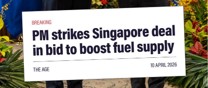
Australia relies on a relatively small number of regional partners to meet most of its refined fuel needs, while those same partners depend on Australia for a significant portion of their LNG supply. This mutual dependence strengthens trade relationships but also highlights the interconnected nature of regional energy security, particularly Read more

By John Ravlic, ago

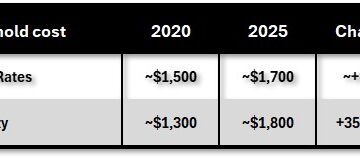
Managing Fuel Cost Escalation and Supply Risk

This Briefing Note accompanies the Fuel Risk & Financial Impact: What Councils Need to Know Now Council Information Session held online on 8th April 2026 by the CT Management Group and Uniqco. Purpose The purpose of this Briefing Note to Council Executives is to: Councils need to consider their response Read more

By John Ravlic, ago

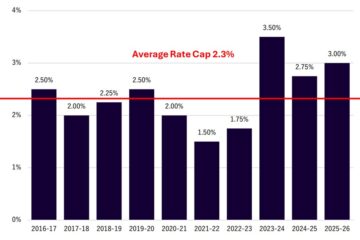
There Is Nothing “Fair” About the Fair Go Rates System

“By introducing the Fair Go Rates system, the Andrews Labor Governmentis delivering on its commitment to cap council rate rises and protectVictorian households from uncontrolled hikes.”Then Minister for Local Government Natalie Hutchins When the Fair Go Rates system was introduced, the then Minister for Local Government stated that the reform Read more

By John Ravlic, ago

From Service Planning to Strategic Clarity

In the commercial sector, the way financial sustainability is approached can translate effectively to local government if applied thoughtfully. Many contemporary public-sector management frameworks follow a similar sequence: In commercial organisations, financial sustainability rarely begins with revenue. It usually begins with clarity of purpose and disciplined management of the cost Read more

By John Ravlic, ago

Revenue Constraint Without Cost Reform

When governments seek to improve the financial sustainability of organisations, they typically introduce measures that encourage greater efficiency and cost discipline. These reforms often focus on improving productivity, rationalising services or restructuring organisations so that they can operate more efficiently. The Fair Go Rates system adopted a very different approach. Read more

By John Ravlic, ago
Swimming pool image

Pool Closures – Lessons from the United Kingdom

Since around 2010, England alone has seen hundreds of swimming pool closures – estimates suggest almost 400 fewer pools in the decade following austerity-era funding cuts and rising costs. Pools have continued to close or face closure for multiple reasons, including operating deficits, ageing infrastructure, and constrained local government finances. Read more

By John Ravlic, ago
Pool water image

Public Pool Business Model

Once the underlying business model for operating public swimming pools is examined (specifically, the factors that drive demand and those that drive costs), it becomes apparent that the prevailing service model is structurally challenged over the long term. Demand Drivers Demand for public pools is largely shaped by external and Read more

By John Ravlic, ago
Swimming image

Waiving Pool Fees as a Public Value Strategy

Where income from pool entry fees represents a relatively small recovery of total costs, councils may consider waiving entry fees as part of a broader service review. The immediate financial effect of this approach is that the costs of delivering the pool are spread across a larger number of participants, Read more

By John Ravlic, ago
Swimming pool image

Swimming Pool Advocacy – More Than Funding

Introduction The State of Aquatic Facility Infrastructure in Australia Report, commissioned by the Royal Life Saving Australia (RLSA) in 2022, found that 500 pools across Australia would need replacing, or require “significant repairs” to the pool shell, within the next 10 years – at a cost of $8 billion. It Read more

By John Ravlic, ago