The economic effects of the Iran conflict are likely to be felt for years as damaged oil and gas infrastructure is repaired and global supply chains stabilise. Fuel prices are expected to remain elevated while supply remains constrained and markets continue to price in geopolitical risk. Until supply conditions normalise, the Australian economy is likely to experience ongoing inflationary pressure flowing through fuel, transport, construction, freight and essential goods and services.
Councils are managing capped revenue growth that is failing to keep pace with escalating costs. The sharp increase in fuel prices is compounding existing financial pressure and forcing councils to reconsider service levels, project timing, and resource allocation.
Iran Conflict and Global Energy Market
The devastation of Middle Eastern oil production facilities has created one of the most severe supply shocks in recent history. Energy leaders and financial institutions have confirmed the global energy market has suffered an unprecedented loss of approximately one billion barrels of oil over March and April 2026.
This has spiked oil and fuel prices, which are now flowing through the broader economy, placing upward pressure on the cost of goods, freight, construction and essential services.
Inflationary Impact
Last night the Treasurer handed down the 2026/27 Budget based on an optimistic inflation forecast of 5%, which assumes resolution of the Iran conflict within the next couple of months and an orderly stabilisation in global energy markets.
However, economists have warned that if oil prices were to reach US$200 per barrel, inflationary pressures could intensify significantly, with some forecasts suggesting inflation could approach 7%.
25/26 Rate Cap
Against this backdrop, Victorian councils remain constrained by a 25/26 Rate Cap set using an inflation forecast of 3%. With fuel-driven inflation placing upward pressure on construction, transport, energy and operating costs, councils face a widening gap between revenue growth and the actual cost of service delivery. This will place additional pressure on a sector already struggling to meet the needs and expectations of residents and ratepayers, while potentially delaying or reducing investment in essential community infrastructure and services.
Ongoing Financial Pressure for Councils
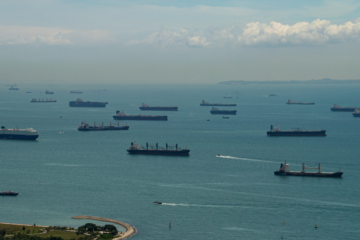
Major global energy authorities have confirmed that oil prices are unlikely to return to pre-war levels before 2027. Even if current geopolitical tensions ease or the blockaded Strait of Hormuz reopens immediately, the sheer scale of physical supply destruction ensures a prolonged multi-year recovery timeline.
If elevated oil prices persist, councils may face a second wave of financial pressure as fuel-driven inflation flows through wages, construction, and broader service delivery costs. Increased fuel prices are compounding existing financial constraints and forcing councils to reconsider service levels, project timing, and resource allocation.

0 Comments