Executive Summary
The Local Government EV Fleet 2026 Survey shows that fleet electrification is now central to local government emissions reduction and asset management. Most participating councils have adopted formal net-zero targets, many well ahead of 2050, and these commitments are increasingly shaping fleet planning, procurement and charging infrastructure investment.
Low-emission vehicles are now widely represented in council fleets. Hybrid vehicles have become mainstream, while battery electric vehicles have moved beyond trials and are being incorporated into regular replacement programs. Plug-in hybrid electric vehicles remain less common but are expected to play a useful transitional role, particularly for utilities and operational vehicles where fully electric alternatives are still emerging.
Demand for further electrification is strong over the next one to two years, particularly for battery electric passenger vehicles, utilities, vans and small trucks. Councils are taking a balanced procurement approach, with operational suitability, whole-of-life cost, charging infrastructure and emissions targets all influencing purchasing decisions. This indicates that electric vehicles are increasingly being assessed as practical fleet assets, not only as environmental initiatives.
Barriers remain, led by purchase price and the need for vehicles that can meet council requirements for range, payload, towing and specialist service delivery. Vehicle availability and procurement pathways also continue to influence the pace of transition.
Overall, the findings show that local government fleet electrification is entering a more mature implementation phase. Continued progress will depend on coordinated transition planning, access to suitable vehicle models, investment in charging infrastructure and procurement strategies that balance emissions reduction, value for money, and operational performance.
Introduction
This report analyses the Local Government EV Fleet 2026 Survey and examines how participating councils are progressing with the transition to low-emission vehicles. The results show that fleet electrification is now a practical pathway for reducing corporate emissions, supported by net-zero targets, evolving procurement priorities and growing confidence in hybrid, plug-in hybrid and battery electric vehicle technologies. The report also identifies the key operational and financial factors shaping council decisions, including vehicle suitability, whole-of-life cost, charging infrastructure, market availability, and purchase price.
Net-Zero Emissions
Net-zero emissions targets are now firmly embedded across participating councils. More than three-quarters of respondents (80%) have adopted a formal target. This confirms that emissions reduction has become a strategic priority influencing council planning, asset management and investment decisions. As councils move from target setting to delivery, attention is shifting to practical initiatives such as fleet electrification, renewable energy, energy efficiency, charging infrastructure and improved emissions reporting.
The survey also shows a strong preference for ambitious timeframes. The most common target year is 2030, nominated by 40%, followed by 2040 (22%) and 2035 (18%). Only one council has adopted a 2050 target. Overall, participating councils are generally aiming to reach net zero well ahead of Australia’s national 2050 commitment, creating a strong imperative for sustained investment in low-emission technologies and supporting infrastructure.
Fleet Transition Plan
A majority of participating councils have committed to transitioning their fleets to electric vehicles, but a significant proportion are yet to formalise this commitment. Just over half of respondents (55%) have a fleet transition plan that commits to EV adoption. This suggests that some councils with net-zero targets have not yet translated those commitments into dedicated fleet strategies. Given fleet is a major source of corporate emissions for many councils, formal transition plans will be important for aligning vehicle replacement, charging infrastructure and operational requirements with broader climate objectives.
Low-Emission Vehicles
Low-emission vehicles are now well established in participating council fleets. Most councils (82%) operate a mix of hybrid and battery electric vehicles, showing a staged approach to electrification. A further 10% operate hybrids only, while 7% operate battery electric vehicles without hybrids. These results suggest councils are selecting technologies according to operational requirements, vehicle availability, and infrastructure readiness.
Hybrid Vehicles
Hybrid vehicles have become a mainstream component of council fleets, although adoption levels vary:
- Only 17% reported having no hybrids.
- 41% operates between 1-10 hybrids.
- 24% operate 11-30.
- 14% operate more than 30 hybrids, including 10% with more than 40.
These findings show that hybrids are widely accepted as a practical way to reduce fuel use and emissions, particularly where battery electric vehicles are not yet suitable for every application.
Battery Electric Vehicles
Battery electric vehicles have also moved beyond trials and are now part of mainstream council fleets:
- Only 7% reported having no battery electric vehicles.
- 55% operate between 1-10.
- 21% operate 11–20 EVs.
- 17% operate more than 20, including 10% with 31–40 EVs.
These results indicate growing confidence in battery electric technology as charging infrastructure, model availability and operational experience continue to improve.
Plug-in Hybrid Electric Vehicles
Plug-in hybrid electric vehicles (PHEVs) remain at an earlier stage of adoption than hybrids and battery electric vehicles:
- Almost half of participating councils (48%) reported having no PHEVs.
- 41% operate between 1-10.
- Only one council reported operating 11–20 PHEVs.
This reflects the still-developing market for PHEV utilities and commercial vehicles in Australia. As more models become available, PHEVs are likely to play an important transitional role by reducing fuel use and emissions while maintaining range, towing capacity and operational flexibility.
Demand for Low-Emission Vehicles
The survey points to sustained demand for low-emission vehicles across local government over the next two years. More than three-quarters of participating councils (76%) expect to procure battery electric and/or plug-in hybrid electric vehicles within the next one to two years. This purchasing intent suggests that councils are moving beyond early trials and incorporating low-emission vehicles into mainstream fleet replacement programs.
Most councils expect to expand their low-emission fleets progressively through normal replacement cycles:
- Nearly two-thirds of respondents (63%) expect to procure between 1-10 BEVs and/or PHEVs over the next one to two years.
- 30% anticipate purchasing between 10-30 vehicles.
These results point to a strong pipeline of demand and show that electrification is becoming embedded in long-term asset management and fleet renewal strategies.
Battery electric vehicles are expected to dominate future procurement:
- Passenger vehicles remain the highest priority, with 87% intending to purchase them.
- Councils are also planning to electrify a wider range of operational fleet assets:
- utilities (65%)
- vans and small trucks (52%)
- large trucks (35%)
- buses (22%)
- sweepers (17%).
This indicates growing confidence that battery electric technology can support a broader range of council operations as vehicle capability improves.
PHEVs are expected to complement battery electric vehicles. Councils see PHEVs as valuable where battery electric alternatives are still developing or where longer distances, towing needs and regional operations create practical challenges. Interest is strongest in plug-in hybrid utilities, with 44% intending to procure them, followed by passenger vehicles (26%), large trucks (22%), and vans and small trucks (both 17%). As battery electric options mature, PHEVs are likely to remain an important transitional technology for selected applications.
Main Influence
Councils are taking a balanced and evidence-based approach to electric vehicle procurement, with operational suitability the leading consideration.
- Operational requirements were identified as the main influence by 62% of survey respondents, followed by whole-of-life costs (55%).
- Access to charging infrastructure and emissions-reduction targets were each nominated by 52%, while purchase price was identified by 45%.
- Senior management commitment was nominated by 35%, compared with operational staff commitment at 14%.
Overall, the results show that councils are assessing electric vehicles through the combined lenses of operational performance, financial sustainability and emissions reduction.
Main Barriers
Financial considerations and operational capability remain the main barriers to wider EV adoption:
- Purchase price was identified as the most significant constraint by 62% followed by operational requirements at 48%, reflecting concerns about range, payload, towing capacity and specialist vehicle suitability.
- Availability of stock was cited by 24%.
- Fewer councils identified whole-of-life costs (21%), charging infrastructure (17%), operational staff resistance (17%), country of manufacturer (14%) or senior management commitment (10%) as major barriers.
This suggests the key challenge is no longer organisational willingness, but access to affordable, fit-for-purpose vehicles that can meet the diverse demands of local government service delivery.
Procurement Steps
Councils use a range of procurement pathways, with no single method dominating the sector. The Victorian State Purchasing Contract is the most common mechanism, used by 59%, reflecting the value of established government purchasing arrangements. At the same time, 56% obtain quotes from local dealerships and distributors, highlighting the importance of supplier relationships, delivery timing, servicing and support. Nearly half of respondents (48%) use tender processes, particularly for larger or more specialised acquisitions. Overall, councils appear to take a pragmatic approach, selecting procurement methods that balance value for money, operational requirements, supplier capability and compliance obligations.
Fuel Crisis
The Middle East conflict and the resulting spike in fuel prices forced many councils to review their operational arrangements to minimise the impact on already constrained budgets. For many organisations, the fuel crisis became a catalyst for reassessing fleet composition, accelerating plans for fleet electrification and bringing forward investment in charging infrastructure.
At the same time, the broader Australian vehicle market responded strongly, with battery electric vehicles accounting for more than 20% of new vehicle sales in both May and June. While this growth has been supported by a broader range of affordable vehicle models and improving market confidence, the volatility of global oil markets has reinforced the value of reducing reliance on fossil fuels and has strengthened the business case for fleet electrification.
Conclusion
The survey demonstrates that local government fleet electrification has moved from early experimentation to structured implementation. Most participating councils have adopted net-zero targets and are already operating low-emission vehicles, with strong intent to expand battery electric and plug-in hybrid fleets over the next one to two years.
Councils are increasingly assessing vehicles against operational performance, whole-of-life cost, infrastructure readiness and emissions outcomes. However, barriers remain, particularly purchase price, fit-for-purpose vehicle availability and the operational demands of specialist council services. Continued progress will depend on coordinated fleet transition planning, improved access to suitable models, investment in charging infrastructure and procurement pathways that support value for money and reliable service delivery.
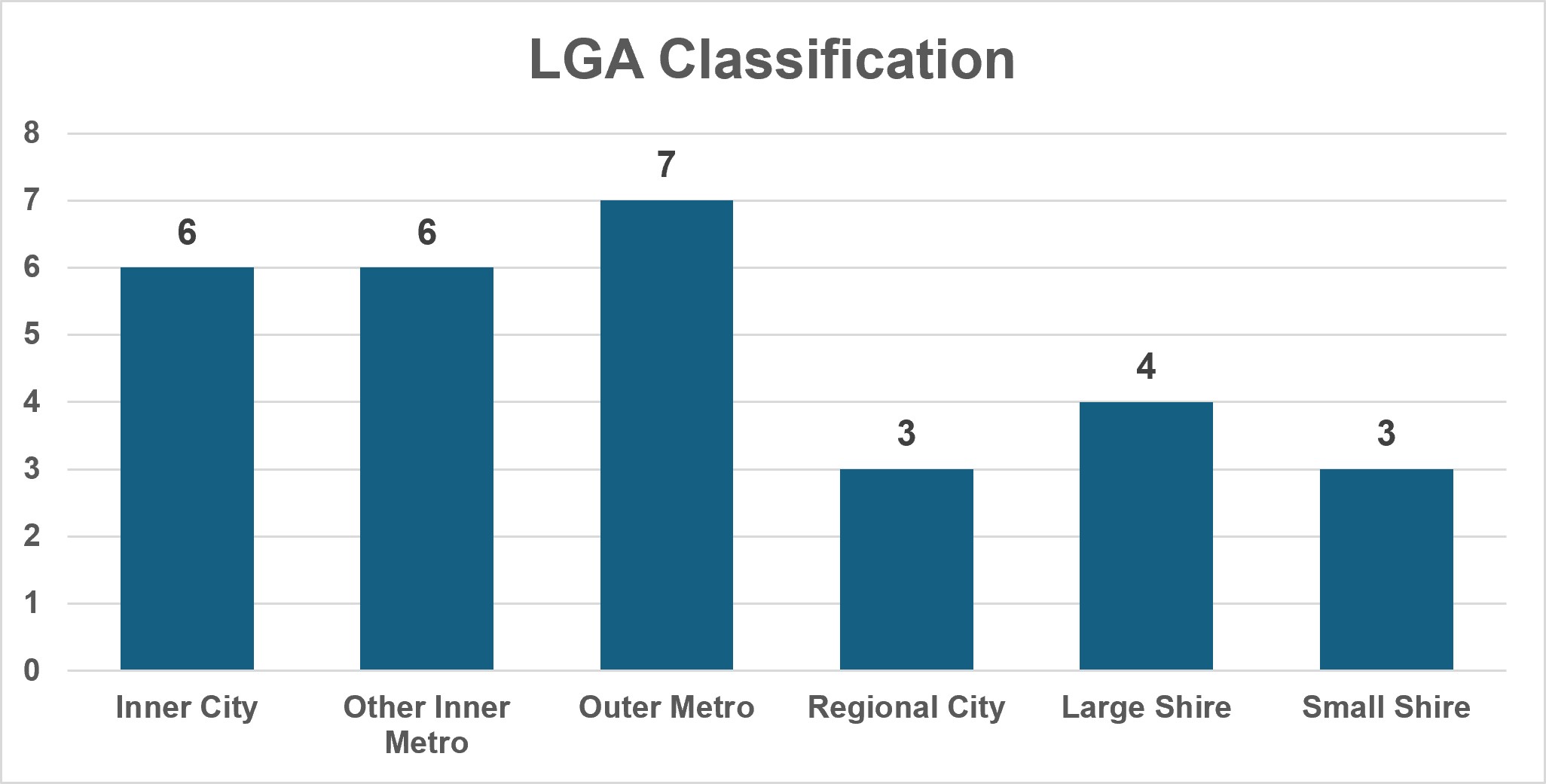
The EV Fleet Survey was completed during May and June 2026 by 29 Victorian councils.
The Survey results are being used to inform the staging of the 2026 EV Fleet Expo.

About Us
Since 2014, Ravim RBC has specialised in helping councils of all sizes across Australia improve service delivery through strategic service planning and service reviews.
Recognising that many council services rely on fleet, plant and equipment, we have developed extensive expertise in fleet management, fleet optimisation and the transition to low-emission fleets. We also partner with Uniqco to deliver independent fleet audits, maturity assessments and reviews that improve operational performance, financial sustainability and asset utilisation.
Our Principal, John Ravlic, brings more than 40 years of executive leadership and consulting experience in local government. Having worked with councils across Australia, John combines strategic insight with practical experience to help organisations deliver efficient, sustainable and community-focused services.



0 Comments