Councils are discovering that the first wave of electrification of passenger vehicles, including pool cars, is relatively straightforward because the energy demand is modest, and overnight charging windows are generous. The real infrastructure challenge begins once councils transition operational fleet assets such as utilities, vans, small trucks and eventually plant and heavy waste and construction vehicles.
Charging Needs
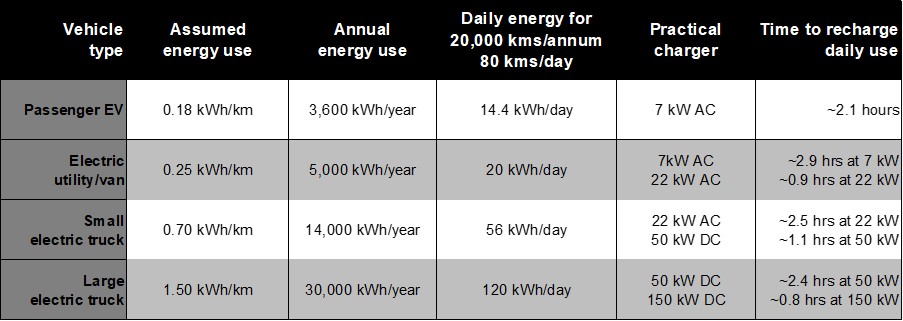
A passenger EV averaging 20,000 km annually may only require around 14 kWh overnight, which is operationally easy to accommodate. By comparison, a small electric truck may consume 56 kWh per day depending on payload, terrain, auxiliary equipment and route length. Larger waste trucks or heavy plant can require several hundred kilowatt-hours daily. Once councils scale these assets across depots, electricity demand shifts from being a relatively minor overnight load to becoming a major operational energy system.
Charging Infrastructure
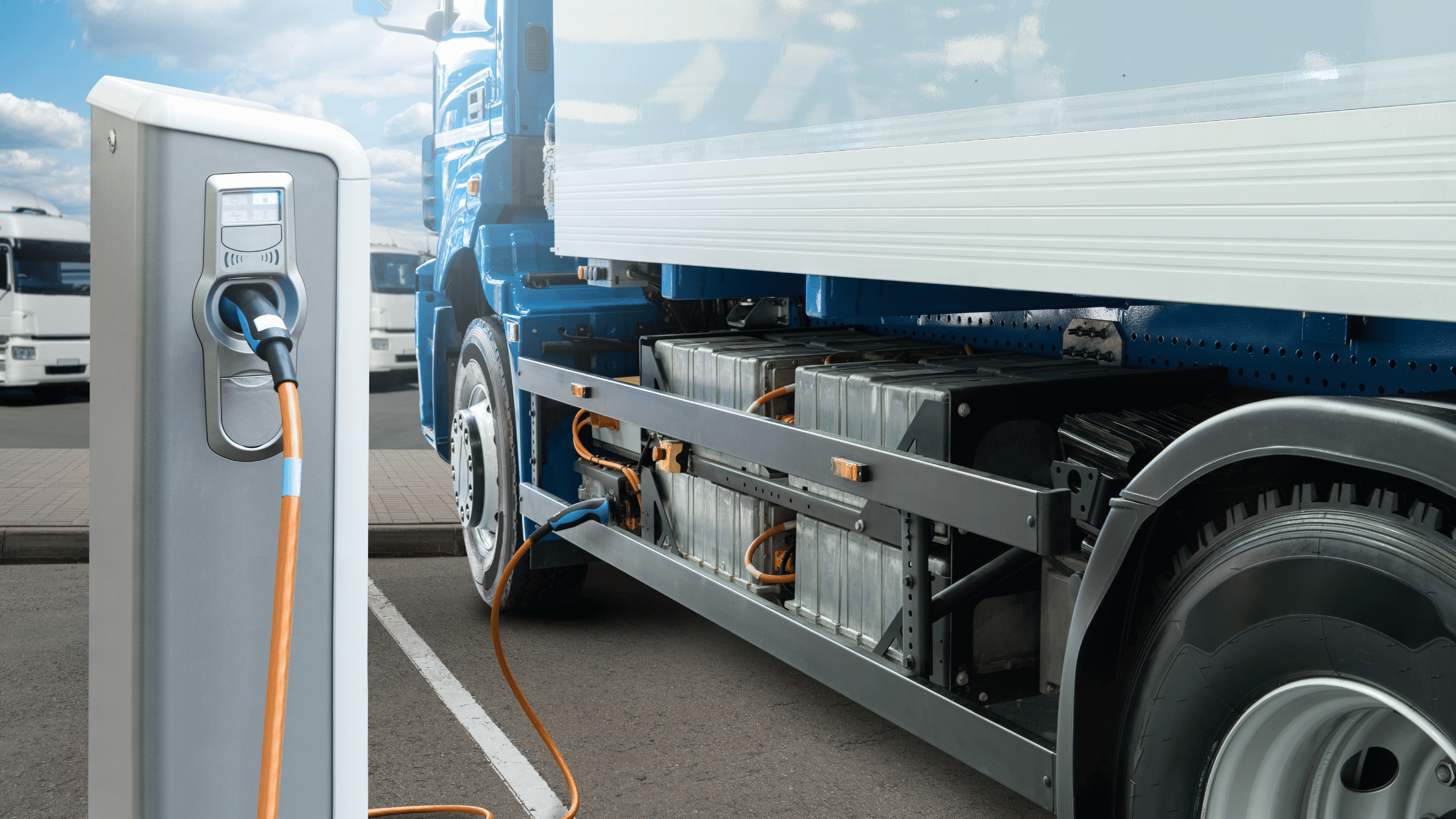
This changes the discussion from simply “installing chargers” to electrifying depots by designing an integrated energy strategy. Councils will increasingly require:
- higher-capacity switchboards and sub-mains;
- smart load management systems;
- staged charging priorities;
- dedicated DC fast charging infrastructure;
- battery storage systems;
- rooftop solar integration; and
- potentially upgraded grid connections or embedded energy systems.
The operational profile of trucks is also fundamentally different from passenger fleet. Passenger vehicles often sit idle overnight for 10–12 hours. Trucks may:
- operate multiple shifts;
- return unpredictably;
- require rapid turnaround; or
- consume large amounts of energy in compressed charging windows.
For example:
Operating an Energy Hub
This is why many councils currently trialling electric trucks are learning about:
- peak demand management;
- sequencing of charging events;
- charger redundancy;
- operational scheduling; and
- implications of demand charges from electricity retailers.
Over time, councils may move toward a tiered charging environment:
- AC charging for passenger fleet and low-utilisation assets;
- medium-speed DC charging for utilities and small trucks; and
- high-capacity DC infrastructure for heavy operational vehicles.
Historically, depots consumed relatively modest electricity compared with their fuel use. In the future, electricity may become one of the depot’s largest operational inputs. Electrification will progressively transform council depots into energy hubs.
This creates both challenges and opportunities for councils, which may significantly reduce operating costs and improve energy resilience, with:
- large depot roofs and solar generation;
- battery storage;
- managed charging; and/or
- renewable energy contracts.
Multi-Disciplinary Team
This also reinforces why councils are now establishing cross-functional “Net-Zero Fleet” or “Fleet Electrification” project teams involving:
- fleet
- infrastructure
- property/facilities
- finance
- sustainability
- procurement
- IT.
The transition can no longer be treated as a fleet procurement exercise. It becomes a long-term infrastructure and energy transformation program.
EV Fleet Expo
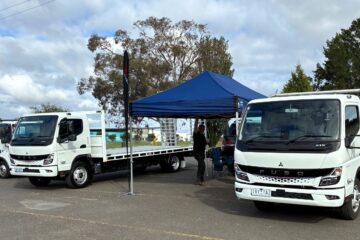
This year’s EV Fleet Expo will explore the important topic of Electrifying Depots, a growing operational and infrastructure challenge for local government, as councils transition passenger vehicles, utilities, vans and trucks to low and zero-emission technologies.
As councils increasingly adopt electric fleet assets, depot infrastructure is rapidly emerging as a critical enabler of the transition. Topics include electrical capacity, smart charging, load management, charger selection, depot design, operational impacts, renewable energy integration and future planning for electric trucks and plant.
We invite councils that are currently planning or delivering depot electrification projects to share their experience and lessons learned with their peers. Expressions of interest are also welcomed from:
- energy consultants;
- electricity network specialists;
- charging infrastructure providers;
- smart charging and load management providers;
- renewable energy and battery storage providers; and
- organisations supporting fleet electrification.
EV Fleet Expo provides an opportunity for local government fleet, infrastructure, sustainability and operational teams to learn from real-world projects and practical implementation experience.
Organisations interested in presenting, participating in panel discussions or exhibiting are encouraged to express their interest.


0 Comments